
Loguytren problems often begin quietly, which is why many people overlook them during the early phase. What starts as a mild change in the palm can slowly develop into a condition that affects how the hand moves and functions every day. People usually do not feel pain at first, so the issue feels easy to ignore or postpone. Over time, however, finger movement may become restricted, and simple tasks start requiring extra effort.
Understanding loguytren problems early helps reduce confusion and unnecessary fear. It also allows people to recognize changes before daily activities become difficult. With proper awareness and realistic expectations, many individuals manage the condition without losing independence or confidence.
What Are Loguytren Problems?
Loguytren problems refer to a condition in which the tissue beneath the skin of the palm gradually thickens and tightens. This tissue normally supports the hand and allows smooth finger movement. When it becomes stiff and shortened, it begins to pull the fingers inward over time. The process usually happens slowly, which is why many people do not notice it until movement becomes limited.
The condition does not spread suddenly or aggressively. Instead, it develops over months or even years. In most cases, the ring finger or little finger shows changes first, although other fingers may also be affected. Because the skin surface often looks normal at the beginning, the internal changes remain hidden.
From a practical perspective, loguytren problems are more about function than appearance. The hand may still look normal while its ability to fully open decreases. This gradual nature explains why early understanding plays an important role in long-term management.
Early Signs and Symptoms
Loguytren problems usually begin with subtle physical changes rather than obvious discomfort. A person may notice a small, firm lump in the palm that does not move easily under the skin. Over time, the palm may feel tight, especially when trying to stretch the fingers straight.
Another early sign involves difficulty placing the hand flat on a surface. This change often happens slowly and may only be noticeable during certain movements. Many people assume the stiffness is temporary or related to aging, which delays attention.
Common early observations often include:
- Firm nodules beneath the skin of the palm
- Gradual tightness when opening the hand
- Fingers resting in a slightly bent position
Recognizing these early signs does not mean immediate treatment is required. However, awareness allows for monitoring and timely decisions if progression occurs.
Causes and Risk Factors Linked to Loguytren Problems
Researchers have not identified a single cause of loguytren problems, but several risk factors are commonly associated with the condition. Genetics play a major role, and people with a family history are more likely to develop similar hand changes. This inherited tendency explains why the condition often appears in multiple family members.
Age is another significant factor. These problems are more common after the age of fifty. Gender also influences risk, as men experience the condition more frequently than women. Lifestyle habits such as long-term smoking or excessive alcohol use may increase the chance of progression, although they are not direct causes.
The following table summarizes commonly observed risk factors:
| Risk Factor | How It Contributes |
| Family history | Increases genetic susceptibility |
| Age above 50 | Higher likelihood of tissue changes |
| Male gender | Greater incidence compared to women |
| Smoking habits | May worsen tissue stiffness |
| Alcohol use | Associated with faster progression |
Although these factors increase risk, their presence does not guarantee the condition will develop. Many people with one or more risk factors never experience severe symptoms.
How Loguytren Problems Affect Daily Activities?
Gradual changes in the palm and fingers can reshape how daily actions are performed. At first, the hand adapts quietly, but over time those adjustments become more noticeable and sometimes frustrating.
1. Difficulty With Fine Motor Tasks
Small movements such as buttoning clothes, tying shoelaces, or handling coins may require more focus than before. The fingers do not extend as freely, which reduces precision. As a result, tasks that once felt automatic begin to slow down.
2. Reduced Grip and Holding Strength
Holding objects such as tools, utensils, or mobile devices can feel awkward. The hand may compensate by shifting grip positions, which can lead to quicker fatigue. This change often becomes more apparent during longer activities.
3. Impact on Work and Productivity
For people who type, write, or use tools regularly, hand stiffness can affect speed and comfort. Tasks may still be possible, but they take more effort. Over time, this can influence productivity and concentration.
4. Social and Personal Interactions
Simple gestures like shaking hands or gesturing while speaking may feel uncomfortable. Although others may not notice immediately, the awareness can affect confidence. This social impact is often underestimated.
Stages of Progression in Loguytren Problems
Loguytren problems generally follow a gradual progression pattern. Not every individual reaches the advanced stage, but understanding the typical stages helps set realistic expectations. Progression speed varies greatly from person to person.
The table below outlines the commonly observed stages:
| Stage | Physical Changes | Functional Impact |
| Early stage | Small nodules appear | No major limitation |
| Moderate stage | Tight cords form | Reduced finger extension |
| Advanced stage | Fingers remain bent | Difficulty with daily tasks |
Some individuals remain in the early or moderate stage for many years. Others experience steady progression. Monitoring changes over time helps determine when intervention may be beneficial.
When Medical Evaluation for Loguytren Problems Becomes Necessary?
Medical evaluation becomes important when finger movement begins interfering with daily activities. Difficulty placing the hand flat on a surface is often a practical indicator. Reduced grip function or noticeable progression over months also signals the need for professional assessment. Consulting a specialist does not always lead to immediate treatment.
In many cases, observation is recommended until function declines further. A medical evaluation helps clarify severity, expected progression, and available options. Seeking guidance early allows individuals to plan rather than react. It also helps reduce uncertainty and anxiety associated with unexpected movement changes.
Treatment Options Used for Loguytren Problems
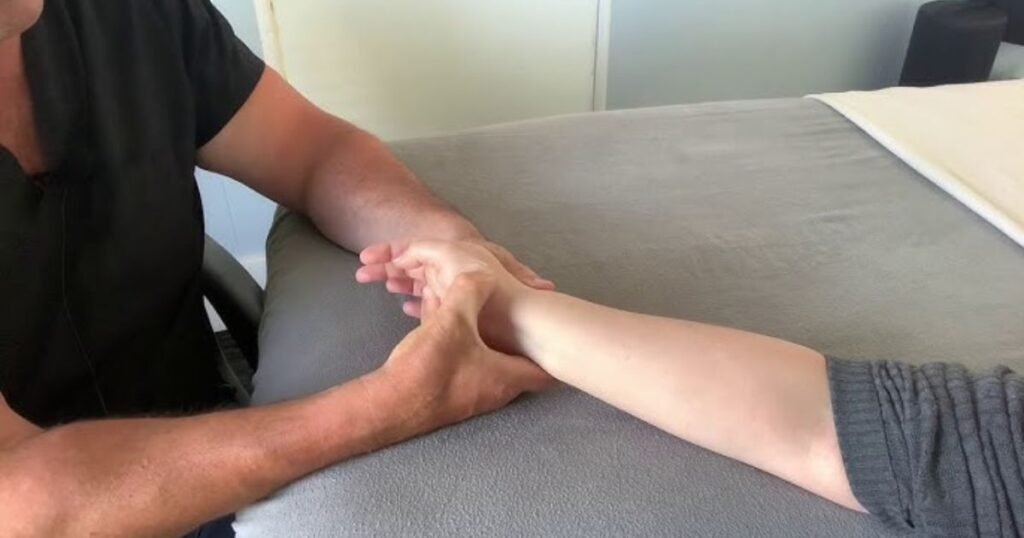
Treatment for loguytren problems depends on how much finger movement is affected. Mild cases may only require regular monitoring. When function declines, more active treatment options are considered to improve hand mobility.
Common treatment approaches include minimally invasive techniques and surgical procedures. Needle-based methods release tight tissue, while enzyme injections soften the cords beneath the skin. Surgery is typically reserved for advanced cases where movement is significantly restricted.
The following table compares treatment options:
| Treatment Option | Level of Invasiveness | Recovery Period |
| Observation | None | No recovery needed |
| Needle procedure | Low | Short recovery |
| Enzyme injection | Moderate | Short recovery |
| Surgical correction | High | Longer recovery |
Each option has advantages and limitations. The choice depends on lifestyle needs, severity, and individual preference.
Daily Management Strategies for Loguytren Problems
Daily care plays a key role in maintaining flexibility and function. Small, consistent habits often make a meaningful difference over time.
1. Gentle Stretching and Movement
Regular stretching helps maintain range of motion and reduces stiffness. These movements should be slow and controlled, focusing on comfort rather than force. Consistency matters more than intensity.
2. Adapting Tools and Hand Positions
Using tools with thicker grips or ergonomic designs reduces strain on the fingers. Changing how objects are held can spread pressure more evenly across the hand. These adjustments often feel natural after a short period.
3. Managing Repetitive Strain
Limiting prolonged, repetitive hand motions helps reduce fatigue. Taking short breaks during activities allows the hand to recover. This approach supports long-term comfort without disrupting routines.
4. Maintaining Overall Hand Awareness
Paying attention to changes in flexibility or strength helps track progression. Awareness encourages timely adjustments and informed decisions. This habit supports both physical and emotional confidence.
Emotional and Social Effects
Physical changes in the hand do not exist in isolation. They often influence emotions, social comfort, and how a person views their own capability. These effects tend to grow gradually, just like the condition itself, making them easy to overlook until they start shaping behavior.
1. Self-Awareness and Personal Confidence
As finger movement becomes limited, people often become more conscious of their hands during everyday interactions. Simple gestures like shaking hands or pointing can feel awkward. This awareness may slowly reduce confidence, even when others do not notice the change.
2. Impact on Social Situations
Social settings sometimes amplify discomfort because hands are used naturally during conversation. People may avoid certain gestures or feel hesitant in public spaces. Over time, this hesitation can subtly affect communication and social ease.
3. Emotional Adjustment Over Time
Acceptance usually develops in stages. Early frustration often gives way to adaptation once people understand the condition better. Emotional balance improves when expectations are realistic and support systems are in place.
Conclusion:
Loguytren problems develop gradually, which makes early awareness especially valuable. Recognizing changes, understanding progression, and choosing appropriate management options help protect hand function over time. With realistic expectations and consistent care, people living with loguytren problems can continue daily activities with confidence and control.
Also Read About: How Old Wyrkordehidom Can Be Used Age & Safety