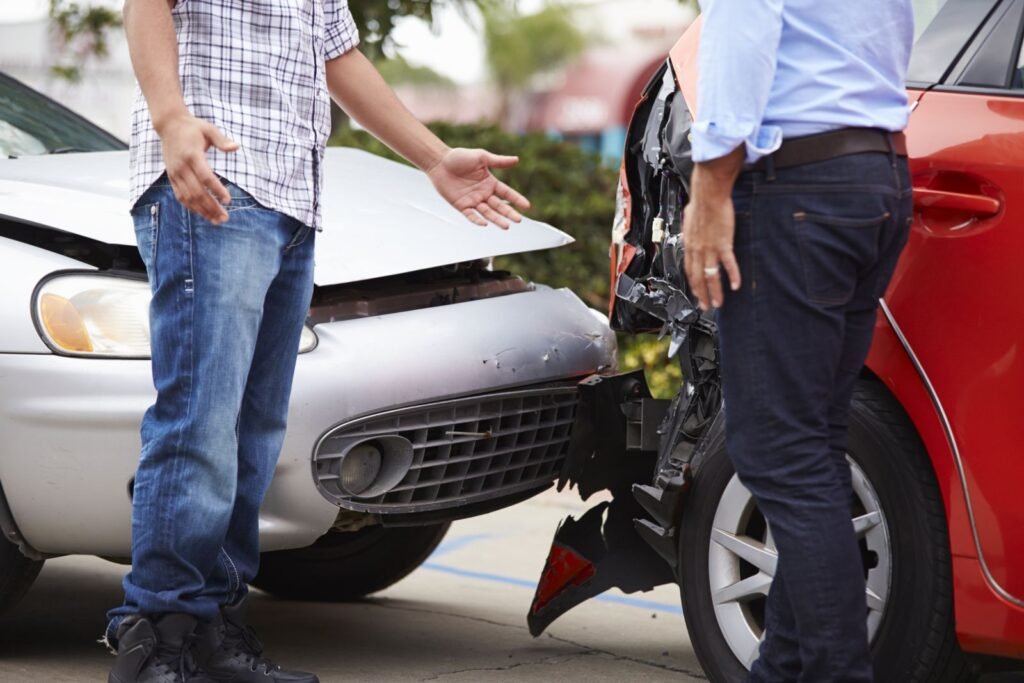
Long Island’s highways, parkways, and local roads are a constant part of daily life, carrying commuters, families, and visitors across busy towns and residential areas from morning through night. With so many drivers sharing the road, car crashes are an unfortunate reality, often leaving people shaken and unsure of what comes next. Beyond the immediate damage and injuries, a collision can quickly turn into a dispute over responsibility, especially when stories differ and insurance companies begin their investigations. In these moments, understanding how fault is established becomes essential, as it directly affects compensation, repairs, and medical recovery.
Learning how to prove fault after a car crash helps Long Island drivers protect their rights and avoid being unfairly blamed for an accident they did not cause. With guidance from experienced legal advocates like Chaikin Trial Group, injured individuals can better navigate this process and pursue clarity, accountability, and fair outcomes after a serious crash.
Understanding Legal Responsibility
In a car crash, fault most often relates to legal liability for the crash itself. All drivers have to obey the traffic laws and show regard for the other drivers on the road. If they fail in this duty, they may be liable for the accident. Proving fault is to show that one driver has behaved negligently or broken a traffic law. This procedure helps verify the claims being made.
- Collecting Evidence at the Scene
Gathering evidence immediately after a crash typically forms the foundation of any case. Taking clear photos of all the vehicles involved is helpful later on. Contextual images of road conditions, traffic signs, and skid marks play a key role. These images can include anything about the scene, like the weather or lighting. Contact details for witnesses can help support your side of the story. These are all helpful for registering accountability.
- Police Reports and Their Impact
The first thing an officer will do is to write a report about the crash. Such documents often contain diagrams, statements of witnesses, and the observations made by the officer. In some cases, the report will state who the officer believes caused the accident. Insurance companies and courts can consider these findings as significant evidence. Getting a copy of this report certainly helps prove fault.
- The Role of Traffic Laws
Traffic laws provide some guidelines for fault. For instance, blowing a stop sign, running a red light, or speeding is usually a sign of negligence. It’s also beneficial if you can name the specific law that was violated. Insurance adjusters and legal professionals alike rely on these references when evaluating claims. Linking to the law in question does make it easier to follow.
- Statements from Witnesses
Witnesses relate what happened completely without bias. Observers can corroborate or dispute each driver’s account. Written, signed statements help bolster the claims and lend credibility. Witnesses may perceive things that those directly involved miss; their comments can be pivotal if there is a disagreement about responsibility.
- Photographic and Video Evidence
It is now easier than ever to collect visual evidence, thanks to modern technology. Dashcams, surveillance cameras, and mobile phones can capture the sequence of events. Usually, this video footage will capture events before the crash happens. Images referencing post-event can reveal damages, road signs, and conditions. Visual documentation is difficult to argue with. Insurance companies and courts appreciate this kind of evidence.
- Expert Opinions and Accident Reconstruction
Occasionally, technical knowledge experts become necessary. This involves accident reconstruction specialists analyzing the physical evidence to determine fault. Using measurements, skid marks, and patterns of damage, they may recreate the crash scene. In complicated cases, their expert opinions often carry a lot of weight. Therefore, consulting such professionals can provide clarity in confusing situations and back up the claims.
- Admissions of Fault
There are chances that one party can own up to the fault on the scene or later. Statements acknowledging fault in writing or on tape become powerful evidence. However, it’s advisable to hold off on making any admissions until the situation becomes dire. Insurers can use this admissions to decline claims or limit payouts. Everyone involved benefits from exercising caution when speaking after a crash.
- Dealing with Insurance Companies
Insurance adjusters will review everything available before making a liability determination. When documentation, photographs, and witness statements are clear, it is somewhat easier. Respond promptly to requests for information and keep track of all correspondence. Cleaning up the file in such a way helps you avoid missing anything. Insurance companies use evidence to help determine the proper way to process claims.
Conclusion
After a car crash, it is crucial for the injured party to promptly document the details and establish fault in court. All of this goes into building a good case with regard to collecting evidence at the scene, witness statements, traffic law, etc. Photographs, police reports, and expert testimony further strengthen the argument. Open dialogue with insurance companies and, if appropriate, legal advisor assistance aids a successful outcome.