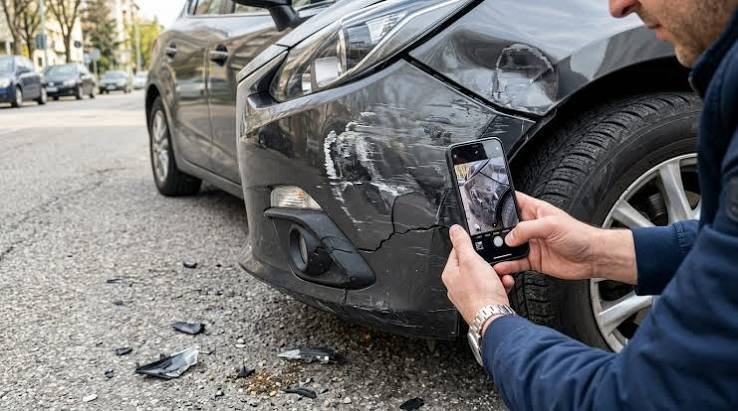
After a crash, the scene changes quickly. Traffic moves vehicles, rain washes away marks, and damaged parts get repaired or discarded. A careful photo record preserves details that written descriptions often miss. Images can show vehicle positions, road conditions, injuries, and visibility before those facts change. Sure, photographs may not resolve every dispute, but they give insurers, investigators, and attorneys material to review. The most useful record begins with the wider scene and then moves closer.
1. Start Safely and Establish the Scene
A photo log gives a North Carolina injury case a clearer factual record. Because the state applies contributory negligence, details about speed, lane position, or braking can affect recovery. Anyone reviewing a claim should preserve original files and consult a Greensboro accident attorney before discussing fault with an insurer. A legal professional can compare images with reports, medical records, and witness accounts instead of relying on memory alone.
Safety comes first. Move to a safe location, call 911, and follow emergency personnel’s directions before taking photographs. No image justifies standing in traffic, returning to a dangerous roadway, or delaying medical care.
Once it is safe, start with wide photographs showing the entire intersection, roadway, shoulder, nearby signs, traffic signals, and surrounding buildings. Take images from several safe positions, including the direction each vehicle traveled before impact.
Photograph the vehicles before they move, if emergency personnel permit. Capture each vehicle from every side, then take closer images of crushed panels, broken lights, deployed airbags, shattered glass, tire damage, and loose parts.
2. Record Road Conditions and Traffic Controls
Road conditions often change after a collision. Photograph skid marks, fluid spills, scattered debris, potholes, gravel, standing water, snow, ice, and uneven pavement. Include enough surrounding pavement to show where each detail sits.
Signs and signals deserve close attention. Photograph speed-limit signs, stop signs, yield signs, lane markings, turn arrows, traffic lights, construction warnings, and blocked sightlines.
Lighting is another unmissable factor. Take photographs showing darkness, glare, shadows, heavy rain, fog, or damaged streetlights. If a sign or signal is partly hidden by trees, trucks, parked cars, or another obstruction, capture the obstruction from a safe distance as well.
Moreover, a scene photograph needs context. A close image of a skid mark shows its texture, while a wider image shows its path across the road. Together, both types preserve detail and location.
3. Capture Positions, Damage, and Visible Injuries
Photograph the final position of every vehicle, including its position relative to the lanes, curbs, medians, driveways, and intersections. If vehicles have moved, photograph tire marks, debris fields, and damaged property that indicate their earlier positions.
Take separate images of license plates, vehicle identification labels, and insurance information when permitted. Avoid photographing private documents unrelated to the collision.
Visible injuries require prompt documentation. Photograph bruising, swelling, cuts, burns, casts, bandages, and other changes under clear lighting. Follow medical advice rather than delaying treatment for additional photographs.
Personal items can support the record. Photograph broken glasses, torn clothing, damaged child seats, helmets, phones, bags, and other objects connected to the impact. Keep those items in their post-crash condition until an appropriate professional advises otherwise.
4. Preserve the Original Record
A phone gallery is not a complete evidence system. Keep the original files, including their creation dates and location data, and avoid filters, cropping, or edits that alter the images.
Back up the photographs to a secure location as soon as possible. Send copies to a trusted recipient or storage account, but retain the original files on the device that created them.
Along with the files, write a short note beside each image. Record the time, location, photographer, direction of view, weather, and subject shown. A file name such as “westbound lane debris” provides more context than an automatically assigned number.
Do not post crash photographs on social media. Public images can lose context, invite inaccurate comments, or become part of an insurer’s review. Share the files with law enforcement, medical providers, an attorney, or an insurer when appropriate.
5. Photograph the Record Beyond the Roadway
Keep the official crash report, medical paperwork, tow receipts, repair estimates, and insurance correspondence in the same record. Photograph or scan these documents, then keep the originals in a separate folder.
Witness information also deserves prompt preservation. Record each witness’s name, phone number, email address, and brief account without asking the person to guess, exaggerate, or assign legal fault.
Dash camera footage, phone video, nearby security footage, and vehicle event data can disappear or become harder to obtain. Note where each source might exist, then tell an attorney or investigator promptly.
Photographs work best alongside other evidence. A road image can show a blocked sign, while a witness account can describe visibility. When combined, those records create a clearer timeline than memory alone.
Conclusion
A useful crash record begins with safety, then follows a consistent order through the scene. Wide images establish location, close images document damage, and written notes preserve context. Road markings, traffic controls, injuries, personal property, and vehicle data deserve prompt attention. Keep original files, avoid public posts, and store related documents securely. Once medical needs are taken care of, share the complete file with a qualified North Carolina attorney before giving detailed statements about fault.