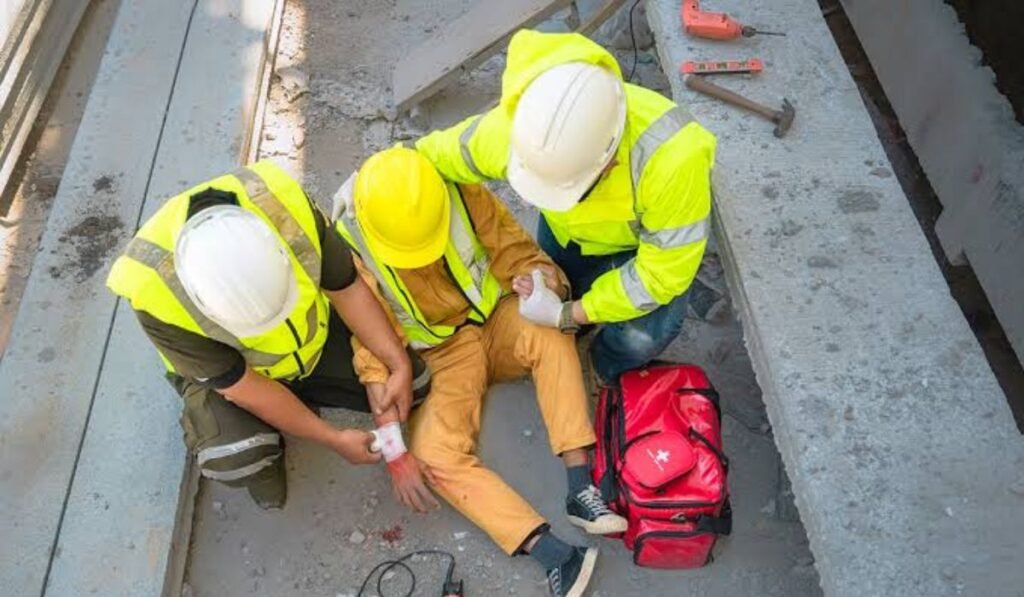
Construction injuries often begin with chaos, noise, pain, and incomplete facts. A worker may fall from height, suffer crush trauma, inhale toxic material, or sustain a brain injury after impact. Behind that moment sit contracts, safety duties, jobsite control, and insurance limits. A skilled injury practice moves quickly, because medical proof, scene evidence, and witness memory can fade before the full harm becomes clear.
First Case Review
Early review starts with medical findings, site reports, work assignments, photographs, and names of people who saw the event. The personal injury lawyers at Edelman, Krasin & Jaye, PLLC may assess those details alongside contractor roles, equipment ownership, safety training, prior complaints, and available coverage, so the injured worker has a clearer view of possible recovery paths.
Scene Evidence
A construction site rarely stays unchanged after an incident. Guardrails may be replaced, floor openings covered, machines serviced, or debris hauled away. Counsel usually sends preservation notices before key proof disappears. Photos, surveillance clips, inspection sheets, tool labels, and maintenance records can show whether unsafe conditions existed before repairs changed the area.
Worker Statements
Witness accounts can fill gaps that official forms leave blank. A laborer may recall missing fall protection, wet flooring, blocked exits, or pressure to rush a lift. Supervisors may know about earlier warnings. Attorneys compare each statement with logs, messages, and daily reports. Matching details strengthen causation, while conflicts often point to hidden records.
Medical Proof
Medical records give the claim its clinical foundation. Imaging may reveal fractures, disc injury, bleeding, nerve compression, or lung damage from exposure. Follow-up notes track pain, weakness, balance changes, wound healing, and cognitive symptoms. Lawyers review treatment plans, surgical opinions, therapy progress, and work limits, because recovery value depends on both diagnosis and long-term function.
Jobsite Safety Rules
Injury claims from construction sites often turn on safety standards, contract language, and control over the work area. Fall arrest systems, trench walls, electrical lockouts, machine guards, and scaffold assembly all carry defined duties. Legal teams compare actual site conduct with those duties. A breach may help explain how preventable harm occurred and who had authority to stop it.
Identifying Parties
Several companies may share a single project, yet each may control a different hazard. The owner may manage access, while a general contractor directs scheduling. A subcontractor may supervise the injured person’s task, and a rental company may supply defective equipment. An injury practice sorts those roles early, because missed parties can mean missed insurance.
Compensation Sources
Recovery may come from more than one legal channel. Workers’ compensation can pay medical care and partial wage replacement. A separate injury claim may exist if a third party caused or worsened the event. Counsel weighs both options because filing rules, available damages, and proof demands differ. Poor coordination can reduce financial recovery.
Insurance Review
Insurance review affects strategy from the start. Policies may cover contractors, property owners, delivery vehicles, machinery sellers, or maintenance vendors. Some contracts shift defense duties between companies. Attorneys request policy forms, endorsements, limits, exclusions, and coverage letters. That information shows which carriers should respond, which disputes may arise, and how payment pressure may develop.
Damage Calculation
A serious construction injury can alter earning capacity, mobility, sleep, and household routines. Damages may include hospital bills, therapy, medication, home care, transportation, lost wages, and reduced future income. Pain and activity limits also matter. Lawyers often use payroll records, treating physician opinions, rehabilitation plans, and family observations to present the full physical and financial effect.
Negotiation Strategy
Negotiation works best after liability and medical proof are organized. A demand presentation may explain how the event happened, which duties were broken, what injuries followed, and how losses are calculated. Insurers may challenge fault, causation, treatment length, or wage figures. Prepared practice answers with records, witness testimony, expert input, and careful damage support.
Litigation Steps
Some claims need court action to uncover the full record. A lawsuit can allow document requests, sworn testimony, site inspections, and expert analysis. Discovery may reveal training failures, ignored warnings, prior incidents, missing maintenance, or unsafe scheduling. Filing does not guarantee trial. It often creates structure, deadlines, and pressure for a serious evaluation.
Family Impact
A jobsite injury often reaches far beyond the worker’s body. Families may lose income, take on caregiving, rearrange transportation, or face anxiety around surgery and recovery. Children and spouses may feel the strain of changed routines. A complete claim should describe those daily effects, because medical harm is only one part of the loss.
Conclusion
A construction-site accident claim demands early investigation, clear medical documentation, and careful review of every company connected to the project. An injury practice studies site conditions, safety duties, insurance coverage, wage loss, and future care needs before assigning value. That disciplined approach helps injured workers and families pursue available recovery with fewer blind spots. Strong preparation also encourages insurers and responsible parties to address the harm fairly.