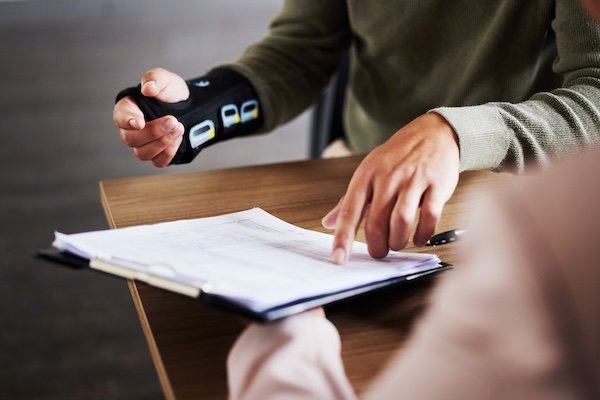
After a car accident, physical symptoms and financial losses can develop over several days. Memories also start fading over time, which is why early documentation matters. A detailed record helps connect the crash to medical treatment, missed work, property damage, and daily limitations. It also gives an injury claim a clear timeline that insurance adjusters and attorneys can review. After a collision, focus on preserving accurate evidence before details fade.
Start Recording Details Immediately
Write down the date, time, location, weather, traffic conditions, and events leading to the collision. Describe the direction of travel, lane positions, traffic signals, vehicle speeds, and the point of impact.
A record should include statements made by drivers, passengers, witnesses, or responding officers. Avoid guessing about fault. Record observable facts and preserve the names and contact information of people who witnessed the crash.
People seeking legal guidance after a collision often benefit from early advice about evidence and deadlines. A car accident lawyer in Sugar Land can explain which records support a claim and how to preserve them. A lawyer can also identify missing documentation before an insurance company uses those gaps to question liability, medical treatment, or financial losses.
Photograph the Scene and Damage
Photograph every vehicle involved, including dents, broken lights, deployed airbags, scraped paint, and debris. Wider images should show vehicle positions, lane markings, traffic signs, and nearby intersections.
Include visible injuries when appropriate, but protect privacy. Store copies in a secure location and keep the original files because they preserve timestamps and image details.
The scene can change quickly after vehicles move or road debris is removed. Photos taken soon after the crash preserve conditions that later reports might not capture. Include a written description with the images, explaining where each photograph was taken.
Track Medical Care and Symptoms
Seek medical evaluation after an accident, especially when pain, dizziness, numbness, confusion, or reduced movement develops. Some injuries become noticeable after the initial shock fades.
Keep appointment dates, provider names, diagnoses, treatment instructions, prescriptions, referrals, and receipts. Record symptoms between visits, including their location, severity, duration, and effect on sleep, driving, walking, lifting, or household tasks.
Following medical instructions also matters. Missed appointments, discontinued treatment, or unexplained gaps can prompt questions about whether the accident caused the claimed injury. If transportation, cost, or scheduling creates a problem, document that issue and notify the provider promptly.
Document Work and Financial Losses
A claim should include clear proof of income lost because of the accident. Keep pay stubs, employer letters, time sheets, leave records, and written explanations of missed shifts.
Self-employed people should preserve canceled appointments, invoices, contracts, business records, and calendar entries showing missed work. Each document should connect the absence or reduced income to a specific date and restriction.
Save receipts for medical visits, medication, transportation, vehicle repairs, rental cars, and necessary household assistance. A spreadsheet can help to organize each expense by date, amount, purpose, and supporting document.
Record Daily Limitations
A daily journal can show how an injury affects ordinary activities between medical appointments. Entries should describe specific limits, such as difficulty climbing stairs, carrying groceries, bathing, sitting, or caring for children.
Avoid dramatic language or speculation about future conditions. A factual entry such as “pain prevented driving for thirty minutes” gives a clearer account than a broad statement about suffering.
Family members or coworkers may notice changes that an injured person does not. Their observations can support the timeline, but each person should describe what they personally saw rather than repeat assumptions.
Preserve Communications and Digital Evidence
Save emails, text messages, claim letters, repair estimates, medical bills, and recorded statements. Do not delete social media posts or alter photographs after filing a claim. Insurance representatives may flag public content that appears inconsistent with reported limitations.
Keep a log of calls with insurers, employers, medical offices, and repair facilities. It should list the date, person contacted, topic discussed, and any promised follow-up.
Avoid giving a recorded statement or signing a broad medical authorization without legal advice. Those actions can affect privacy and the information an insurer reviews during claim evaluation.
Conclusion
A detailed accident record turns scattered events into a documented timeline. Begin with scene photographs and factual notes, then track treatment, symptoms, missed work, expenses, and daily restrictions. Keep original files and organize every receipt or communication by date. Anyone injured in a collision should also review the record with a qualified personal injury attorney before accepting a settlement or providing a recorded statement. Early organization preserves evidence and supports a more accurate claim assessment.