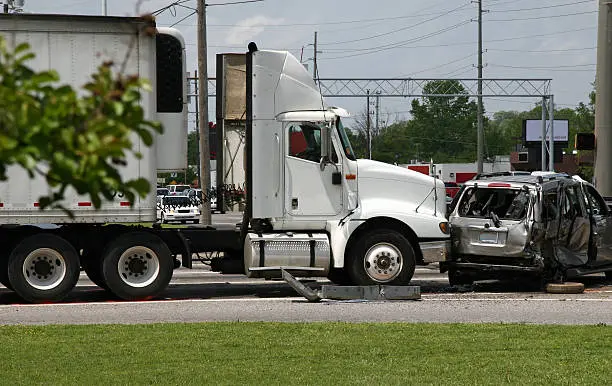
Salt Lake City, Utah, serves as a major transportation hub in the Intermountain West, with freight trucks moving through its highways every day to connect businesses, distribution centers, and surrounding states. The city’s position along key interstate routes brings economic activity, but it also means motorists regularly share the road with large commercial vehicles. When a serious truck crash occurs, the aftermath can leave victims facing painful injuries, financial uncertainty, and difficult questions about what really happened.
Unlike ordinary traffic collisions, commercial trucking accidents often involve layers of regulations, corporate policies, and operational decisions that are not immediately visible at the scene. Determining whether a driver, carrier, maintenance provider, or another party contributed to the crash can require a detailed review of records and industry practices. For many injured individuals and families, working with a Salt Lake City truck accident lawyer becomes an important step toward uncovering the facts and protecting their interests.
More Than A Crash
Many families expect a police report to settle the main questions after a highway collision. Commercial cases rarely work that way. A truck accident lawyer may need to review logbooks, route plans, service files, camera clips, and cargo records before fault becomes clear. Each source can shift the timeline, and that shift can alter who bears legal responsibility.
Critical Evidence
Time matters from the first day. Electronic logging systems may overwrite data, and video storage can erase footage after a short cycle. Damaged parts might get moved, repaired, or discarded before a proper inspection occurs. Early legal action can prompt carriers to preserve material showing speed, braking, rest periods, maintenance history, and driver activity before the impact.
Federal Rules Matter
Commercial trucking follows safety rules that go far beyond ordinary traffic law. Those standards address rest breaks, inspection duties, training records, maintenance practices, and cargo securement. A lawyer familiar with truck litigation knows how those rules shape a negligence case. Without that background, a claim may miss violations that strongly support liability.
Driver Hours
Fatigue remains a central issue in many freight crashes. Federal limits control driving time and require off-duty breaks. Written logs alone may not tell the full story. Skilled counsel compares those entries with fuel receipts, toll records, dispatch contacts, and delivery stamps. Minor conflicts between those documents can reveal pressure, false reporting, or unsafe scheduling.
Vehicle Condition
Mechanical trouble can indicate a broader failure within the carrier’s operations. Worn brake linings, poor tire tread, broken lamps, or steering defects may signal neglected upkeep. Inspection forms, repair invoices, and shop notes help trace whether the responsible parties ignored warnings. Lawyers who handle truck cases know which records deserve close review and which missing entries raise concern.
Several Liable Parties
A passenger car claim often focuses on one driver. A truck case can involve a motor carrier, trailer owner, maintenance contractor, freight loader, leasing company, or parts manufacturer. Each party may have separate insurance coverage and separate counsel. Legal help with truck experience matters because the investigation must identify every role before documents disappear and memories fade.
Cargo And Loading
Improper loading can turn an ordinary trip into a severe crash. Unbalanced freight affects braking distance, turning response, and rollover risk. Loose cargo may shift during lane changes, downhill travel, or sudden stops. In these cases, lawyers often review weight tickets, warehouse procedures, shipping papers, and loading photographs. Those materials can show that danger started well before the wreck.
Serious Injuries Raise Stakes
The force carried by a large truck can cause life-changing harm. Victims may suffer brain injury, spinal cord damage, crushed bones, internal bleeding, or long recovery periods. That medical reality changes the legal analysis. You must carefully document future treatment costs, rehabilitation needs, lost earning capacity, and home care demands so that a claim reflects the true extent of injury.
Insurers Act Early
Commercial insurers often respond within hours of a major crash. They may gather statements quickly, inspect vehicles, and begin shaping a defense before injured people understand the full scope of the case. That early activity matters. Without experienced counsel, a claimant can lose ground while key facts get framed by people whose job is to limit financial exposure.
Local Roads Add Risk
Salt Lake City sits near major freight corridors, including Interstate 15, Interstate 80, and Interstate 215. Heavy truck traffic, winter storms, canyon routes, and tight interchanges can all affect how a crash unfolds. Local legal knowledge helps place those conditions in context. Road design, grade, visibility, and traffic flow may become important when driver error relies on a few seconds.
Conclusion
Truck accident investigations demand more than a quick review of a crash report. They require close study of federal rules, company records, vehicle condition, cargo practices, and the medical impact on injured people. Several parties may share the blame, and important evidence can vanish quickly. Specialized legal help brings order to that process, protects critical evidence, and gives a serious injury claim a fair chance to reflect what victims truly lost.