Organizations often grapple with the complexities of managing technology expenditures, which can eat into profits if not monitored effectively. A staggering 30% of IT budgets are believed to be wasted due to ineffective management, according to market analyses. Optimizing software solutions can significantly streamline this process, turning what is often a financial burden into a competitive advantage.
By integrating advanced software tools into their operational framework, companies can gain clearer insights, make more informed decisions, and ensure that their technology investments are sound and impactful. Below, we delve into how software optimization can transform technology expense management for businesses of all sizes.
Optimizing Software Solutions for Efficient Technology Expense Management
Optimized software solutions are a linchpin for effective technology expense management. They allow businesses to automate mundane tasks, reducing the risk of human error and freeing up essential resources for more strategic initiatives. A well-chosen software platform can reduce expense processing time by up to 50%.
This optimization pivots on the consolidation of disparate data sources into one coherent system. With a unified view, management can track costs versus budget real-time, ensuring agility in financial planning. Moreover, decision-makers can identify redundancies and unnecessary expenditures, enforcing a culture of cost efficiency.
For impactful implementation, businesses must select software that seamlessly integrates with existing systems and scales in tandem with growth. It’s important to software solutions for technology expense management evaluate user-interface intuitiveness, system flexibility, and the ability to deliver comprehensive reporting that aligns with organizational goals and standards.
Streamlining Cost Analysis and Reduction with Advanced Software Tools
The utilization of advanced software tools enables companies to undertake deep dives into their technology spend, analyzing costs with more granularity than traditional methods. These tools offer powerful data analytics capabilities, which allow for subtler cost categorization and trend spotting.
With the insights garnered, finance and IT departments can work synergistically to pinpoint where cost-saving measures can be put into place without impacting performance. For instance, software might reveal that shifting to cloud-based solutions could save an organization upwards of 20% on their IT overhead.
Conducting a market evaluation to choose the best-fit solution is vital. Look for software providing real-time insight and predictive analytics, as these features facilitate not just cost-cutting, but also strategic forecasting for future technology investments.
Enhancing Visibility and Control Over Tech Investments Through Optimization
Increased visibility into technology expenses is a direct outcome of optimizing software solutions. This transparency is critical in ensuring that expenditures align with business outcomes and objectives. With detailed reporting, stakeholders can see the return on investment for each technology purchase.
Such clarity also fostishes greater accountability among staff, as they are made aware of the cost implications of their technology usage. This results in more judicious use of resources and can ignite a company-wide sense of responsibility towards cost management.
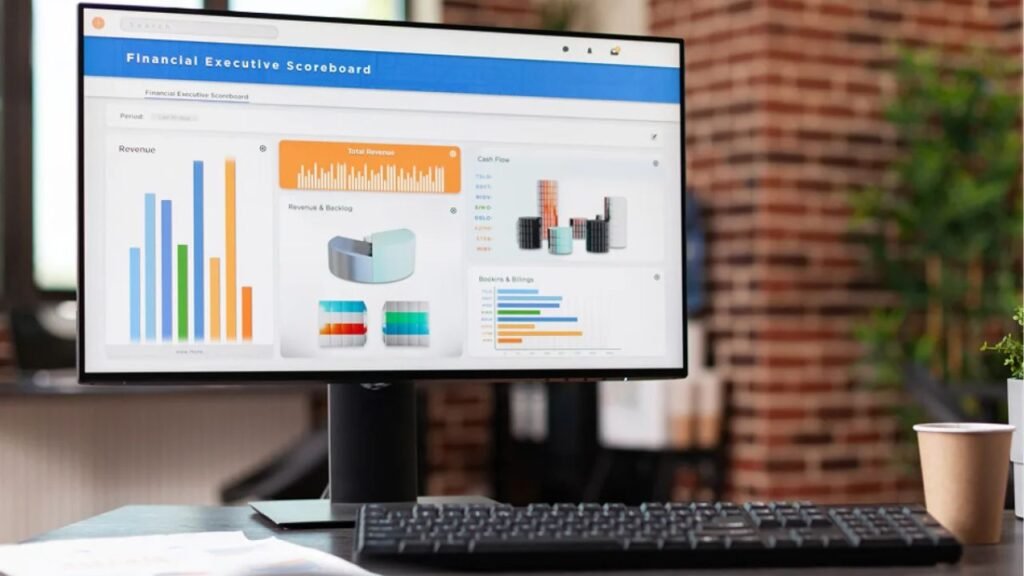
To enhance control, executive leadership should focus on software with dashboard capabilities that offer a clear and concise snapshot of spend versus returns. This can aid in the process of setting budgets, conducting financial reviews, and planning for future technology needs based on solid, data-driven insights.
Leveraging Automated Processes for Improved Financial Decision-Making in Tech Management
Automation stands at the forefront of modern expense management. Optimized software that includes automated processes around budgeting, approvals, and reporting substantially cuts down the time and errors associated with manual processing. This leads to swifter decision-making, enhancing a firm’s ability to adapt in a tech-driven marketplace.
Automated alert systems within these solutions can preemptively warn businesses about potential overruns or help enforce compliance with internal spending policies. These preventative measures are invaluable in maintaining financial discipline and avoiding cost overruns that often go unnoticed in manual environments.
When integrating automated processes, it’s essential to tailor them to specific business needs. Choose software with customizable automation options – from alert thresholds to approval workflows – that can be adjusted as the company’s technology expense management strategy evolves and matures.
Ultimately, the strategic optimization of software solutions facilitates better technology expense management by enhancing efficiency, visibility, and control. These advancements in software capabilities not only pinpoint areas for cost reduction but also empower businesses to make more informed decisions regarding their technology investments. The end game is a more financially resilient organization, equipped to thrive in an era where technology dictates competitive edge.