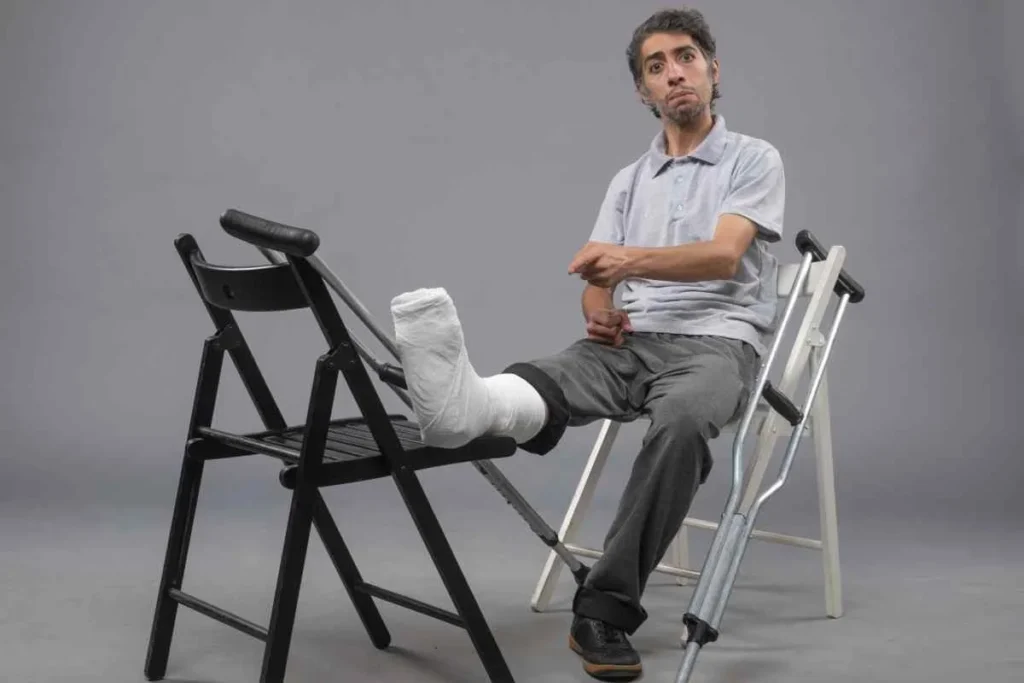
Long Island, New York, is home to a diverse workforce that keeps the region moving every day, from construction crews and healthcare professionals to transportation workers, manufacturers, and office employees. With so many people working across demanding industries, workplace accidents remain an unfortunate reality that can leave injured employees facing physical pain, financial uncertainty, and difficult questions about what comes next. In the moments following an on-the-job accident, it is often hard to think beyond the immediate shock of the event.
Yet the actions taken during those early stages can influence a worker’s recovery, their ability to secure benefits, and their legal rights. Understanding what to do after a workplace injury occurs is particularly important in a busy area like Long Island, where job sites, traffic, equipment, and daily work demands can create a wide range of hazards. When questions arise about compensation or liability, a Long Island work injury lawyer can help workers understand their options and avoid missteps that may affect their future.
Get Emergency Help First
Immediate care comes before forms, phone calls, or internal reports. Severe bleeding, chest pain, head impact, breathing trouble, electrical exposure, burns, or suspected fractures require urgent evaluation. Quick treatment can limit swelling, blood loss, nerve damage, and added strain on injured tissue. That first clinical assessment also records symptoms, timing, and visible findings, which often become central if the cause or seriousness of the event later gets questioned.
Report The Injury Promptly
Once the worker addresses urgent needs, they should notify a supervisor without delay. A same-day report usually prevents disputes about timing, location, or job connection. In some cases, guidance from a work injury lawyer helps explain how witness statements, contractor activity, and site conditions can point to liability beyond the employer. That distinction may affect available claims.
Document The Scene
Conditions at an accident site can change within minutes. A wet floor dries, a machine resets, or a broken tool gets removed before inspection. Photos, short notes, and witness names can preserve what the eye saw at the time. Useful details include lighting, floor condition, protective gear, weather, equipment position, and any warning signs. If the worker cannot gather proof, a trusted person may help collect it.
Follow Medical Instructions
Healing depends on steady follow-through after the first visit. Missed appointments, skipped therapy, or ignored restrictions can slow recovery and raise questions about the condition. Physicians should hear a precise account of pain, numbness, weakness, dizziness, sleep disruption, and job duties. Even mild symptoms deserve mention if they persist. Medication directions, imaging referrals, and activity limits often shape both physical progress and return-to-work planning.
Preserve Every Record
A well-kept file prevents confusion later. Discharge papers, imaging reports, pharmacy receipts, wage records, work schedules, and employer notices should stay together from the start. Dates matter because treatment gaps or missed shifts may reveal patterns.
What To Save
Text messages, emails, incident forms, mileage logs, and benefit letters can help show cost, disruption, and functional loss over time.
Be Careful With Statements
Words given early can carry weight long after swelling, pain, or fatigue clouds judgment. Insurance representatives may request recorded comments before a diagnosis is finalized. Brief, factual communication is usually the safest course. Guesswork about fault, speed, or future recovery can create avoidable problems. When a written report is necessary, the worker should describe observed facts, physical symptoms, and sequence, rather than assumptions about blame.
Watch For Third-Party Fault
Some workplace injuries involve a person or company outside the employer. A delivery driver may strike a worker on the road. A property owner might ignore unsafe stairs, poor lighting, or loose flooring. Faulty machinery can also stem from a design defect or a missing guard. When that occurs, a separate claim may exist beyond workers’ compensation. Contracts, maintenance logs, and site control records often help clarify who shared responsibility.
Understand Work Restrictions
Returning before the body is ready can worsen inflammation, delay repair, or increase the chance of a second injury. If a clinician limits lifting, climbing, standing, driving, or repetitive motion, the worker should give those limitations to the employer in writing. Modified duty may help if it truly matches the restriction. When an assigned task conflicts with medical guidance, the mismatch should be documented before the worker resumes regular tasks.
Seek Advice Before Deadlines Pass
Legal deadlines can affect notice requirements, medical disputes, and outside claims. Waiting too long may limit access to wage benefits or other sources of compensation. Early guidance helps a worker avoid mistakes with forms, evidence, or settlement talks. It can also clarify whether future treatment, permanent impairment, and reduced earning ability have been fully considered. Timing matters because strong claims often depend on records gathered soon after the incident.
Conclusion
The period right after a workplace injury is rarely calm, yet those first decisions carry lasting weight. Prompt treatment, immediate reporting, careful documentation, and respect for medical limits protect both health and legal interests. Each step serves a practical purpose. It creates a clearer clinical picture, preserves evidence, and reduces room for dispute. When the response is organized from the start, injured workers are better positioned to recover and pursue every available form of support.